fig
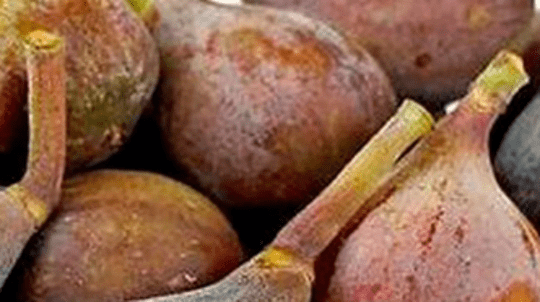
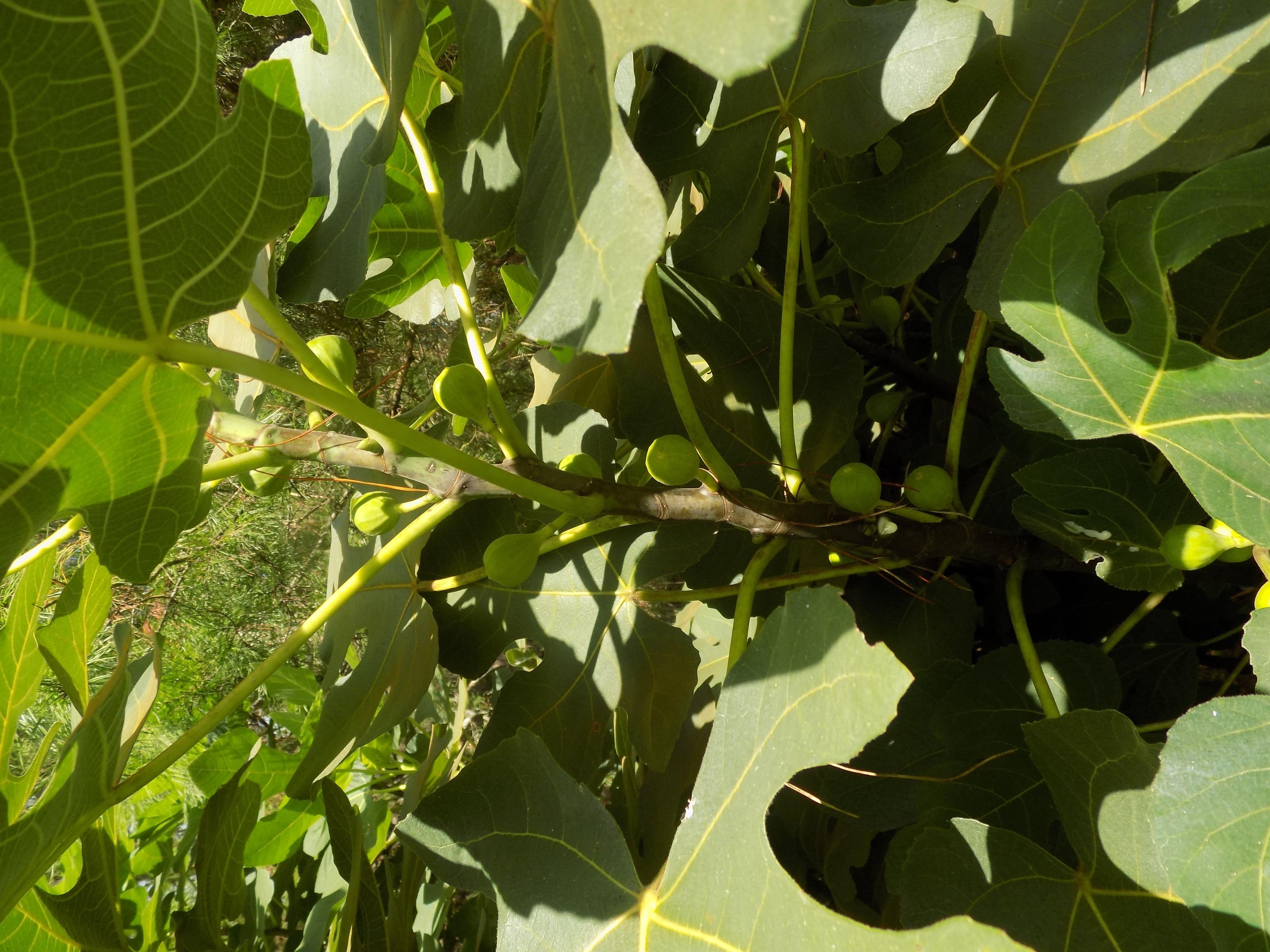
The Brown Turkey Fig is a common variety good for zones 7-11. Figs are self-pollinating, grow well in containers and are heat-tolerant. Figs are a classic, sweet, delicious fruit either fresh, in preserves or dehydrated. Fig trees can grow in most types of soil as long as the soil is well-drained and contains plenty of organic material. Fig trees generally begin to ripen fruit sometime between three to five years after planting. With good care and time, your tree will begin to ripen fruit. Established fig trees need minimal pruning and may yield 2 -3 crops annually in warmer climates. Space fig trees at least 20 feet away from any buildings or other trees.
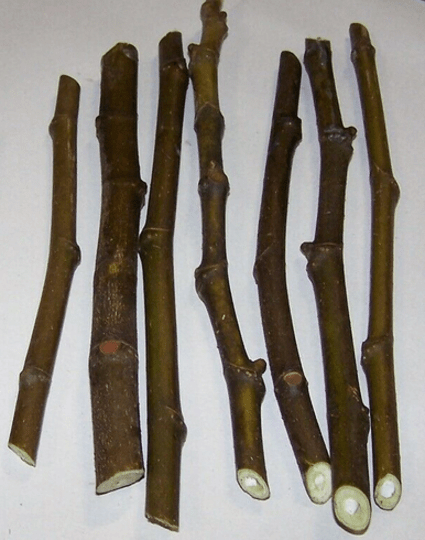
You can propagate your fig tree to make more fig trees by taking cuttings. The best time to take cuttings is in late fall or winter when a tree is fully dormant, but fig trees can be propagated during spring and summer when trees are actively growing through a propagation method described on our YouTube Channel.
Cuttings should be 6" to 8" or longer. We take our cuttings from our “Mother Brown Turkey Fig Tree” we have cultivated for over 10 years in North Florida. Put cuttings immediately in water.
Two methods of rooting your cuttings are as follows:
1. If you plant your cuttings directly in soil, then rooting will generally occur in 3-4 weeks but some plants will take longer. Bury the bottom 2/3 of the cutting in the soil, and keep it watered. Your plant should be ready to plant in the ground after the roots have developed (in 3-4 weeks). For best results, use a rooting hormone before planting a cutting directly in soil. A rooting hormone will encourage root development, though most figs root readily without added hormones
2. The other method besides putting your cuttings direction in soil is to wrap the bottom two thirds in mildly moist paper towels, place in a zip locked back with the tops sticking out. Place in a dark cool place and check they stay moist. In 3-5 weeks you will see white roots forming. Gently separate them and plant in good potting soil to establish your baby fig tree. A general-purpose fertilizer with an analysis of 8-8-8 or 10-10-10 is fine. It's easy to overdo it with stronger fertilizers, so avoid this. It's best to provide fertilizer for fig trees only when the tree shows symptoms of slow growth or pale leaves. Young plants need protection when temperatures drop below 10ºF. In colder climates put your young plants in a greenhouse during very cold periods.
2. The other method besides putting your cuttings direction in soil is to wrap the bottom two thirds in mildly moist paper towels, place in a zip locked back with the tops sticking out. Place in a dark cool place and check they stay moist. In 3-5 weeks you will see white roots forming. Gently separate them and plant in good potting soil to establish your baby fig tree. A general-purpose fertilizer with an analysis of 8-8-8 or 10-10-10 is fine. It's easy to overdo it with stronger fertilizers, so avoid this. It's best to provide fertilizer for fig trees only when the tree shows symptoms of slow growth or pale leaves. Young plants need protection when temperatures drop below 10ºF. In colder climates put your young plants in a greenhouse during very cold periods.